
Simon fisher
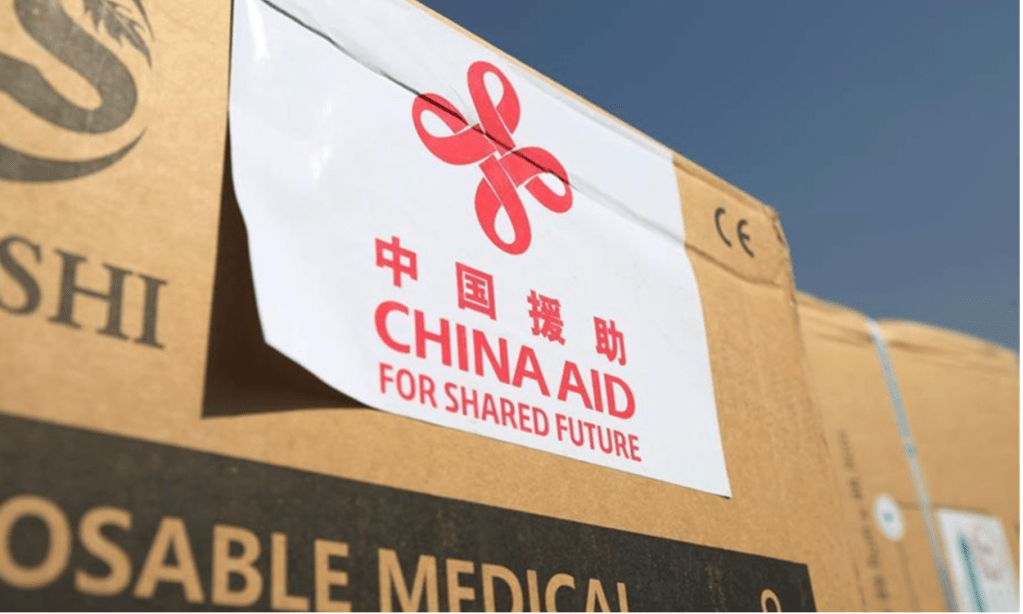
The day he entered office, President Donald Trump signed an executive order cutting global foreign aid programs, sending ripples throughout developing nations. While the brunt of the cut funding was felt primarily by African nations, Southeast Asia has also been affected: access to lifesaving medications, funding of educational programs, and development of improved political and economic systems have been made impossible without foreign aid. The void left by the United States Agency for International Development (USAID) looks to be filled proudly by China, as it seeks to expand its influence worldwide.
China has been rapidly picking up slack left by the United States, stepping in to fund a Cambodian demining program after the United States halted efforts to remove unexploded ordnance from the Vietnam War. Though not officially ended, the program drastically slowed, making the removal of unexploded landmines from 8,400 acres of land difficult. As programs like these froze, China quickly stepped in, providing $4.4 million to continue funding the program. Demining initiatives are not the only projects harmed by Trump’s actions, and it seems like China will continue to utilize the United States’ abandonment of humanitarian aid and altruistic efforts for good press, improving their political standing in a region riddled with complex opinions on Chinese leadership.
USAID and China Aid
The United States and China have historically differed in their approaches to international development. USAID, founded in 1961 to counter Soviet influence, preceded the establishment of China’s official foreign aid apparatus by several decades. The United States has established itself as a pillar of global altruism through USAID, focusing aid on health and humanitarian efforts by stepping in to combat food insecurity, build nations back up following natural disasters, and fight to prevent disease outbreaks amongst the most vulnerable communities worldwide. Despite this history of humanitarian engagement, recent aid cuts have drawn international attention and backlash for their devastating impacts on developing nations, with many world leaders denouncing President Trump’s attempts to dismantle USAID. Some of these cries have come from Southeast Asian leaders, as USAID had funded numerous programs through joint cooperation with the Association of Southeast Asian Nations (ASEAN). Projects focused on disaster resilience, combating human trafficking, improving economic integration, and numerous health initiatives have all been halted in Southeast Asia.
In contrast, China’s efforts have historically been focused on economic expansion instead of a variety of development efforts, lacking an established foreign aid agency until 2018. While China’s relations with Southeast Asian nations shifted significantly throughout the 20th century, by the 2000s, ties were strengthened through increased trade, investment, and development aid. This was upheld by the announcement of the Chinese Belt and Road Initiative in 2013, which has been highly criticized for being “debt trap diplomacy” as China seeks to construct an infrastructure network connecting all of Asia to Europe, Africa, and the Middle East. By 2020, ASEAN countries had become the primary beneficiaries of outward direct investment, with the top 10 Belt and Road Initiative host countries including eight ASEAN members. The nature of this aid shifted in 2020 in response to the COVID-19 pandemic, as all ASEAN member states received medical supplies and information about infection prevention and treatment. Amidst the backdrop of the most severe pandemic in recent history, China was able to continue expanding its aid programs and bolstering its global standing as a “good neighbor.” China looks to continue to pursue this image as the United States’ image becomes tarnished following the Trump administration’s isolationist agenda.
China’s Expanding Popularity and Power
The last decade has seen opinions on the United States fluctuate in Southeast Asia, with the past two years allowing China to gain ground as a preferred ally. Prior to USAID withdrawals, the war in Gaza had already diminished public opinion of the United States due to its alliance with Israel, with many Southeast Asian nations moving from an initial stance of neutrality to one that condemns the conflict. Southeast Asia also has many Muslim-majority states, including Indonesia and Malaysia, which has further thinned the region’s relationship with the United States. The collapse of USAID has only exacerbated this shift away from the United States as Southeast Asians begin to view U.S. politics, products, and political efforts with increasing skepticism. USAID, the U.S.’ primary source of soft power in developing nations, no longer exists9 to uphold the U.S.’ image in the face of this shifting opposition.
Whereas the United States has slipped in terms of soft power, China seeks to expand its aid from purely economic to becoming more comprehensive, similar to the structure of USAID. In some of ASEAN’s poorest nations, China seems to be considering continuing USAID’s responsibilities, potentially including a range of health and education focused programs with continued economic development plans. Some countries look to be particularly targeted by these new programs–- Cambodia and Laos are reliant on Chinese development for growth, with future expansions outside of strictly economic aims. Countries with historically more hesitant views towards Chinese partnership, including Vietnam, Indonesia, and Thailand, could potentially be pushed towards China as their leaders have exhibited concerns over the actions of the new U.S. administration. These countries can all potentially benefit from increased assistance from Beijing, especially if this aid can become more diversified like the USAID approach. Chinese funds have continued more programs in Cambodia than the aforementioned demining project, including ones focused on improving child literacy and nutrition. In contrast to the focus on infrastructure projects previously seen in Cambodia, China is now matching the humanitarian goals of USAID.
Southeast Asian Hesitance
While countries like Cambodia have graciously accepted the expansion of Chinese investment in the wake of Trump’s frosty approach to international development, nations receiving more aid from the United States than China have been hesitant to accept Chinese aid. The Philippines, despite the extreme benefits it could see from increased investment, received the lowest share of Chinese development finance among ASEAN within the last decade. The Philippines has preferred aid from the Asian Development Bank and Japan, as well as the United States, who had provided substantial military assistance prior to the U.S. foreign aid freeze. USAID specifically provided $198.2 million to the Philippines in 2023 to fund education and climate change reduction programs, in stark contrast to current USAID figures: estimates from the Center for Global Development suggest that country cuts in the Philippines, where programs previously totaled above $100 million, could be higher than 95% of the value of these programs. While military aid was not entirely cut, it was still significantly decreased, and the Philippines will likely face barriers in defense capability and humanitarian efforts without United States aid and the refusal to concede to Chinese aid plans. The Philippines has been left with significantly less funding, and potentially greater uncertainty, in the wake of shifting development dynamics worldwide.
President Trump’s foreign policy agenda has decimated former strongholds of U.S. soft power, opening opportunities for China to further expand its development plans. Southeast Asia seems a primary target for Chinese leadership, with the potential to increasingly destabilize U.S. influence and dethrone the United States as a global power in aid.
 Global Eyes: A Student Publication